Dental Veneers in Cockburn Central
Dental veneers can change the visible shape, colour and proportion of selected front teeth. Conservative planning aims for a natural result while protecting as much healthy tooth structure as possible.


Understanding Dental Veneers
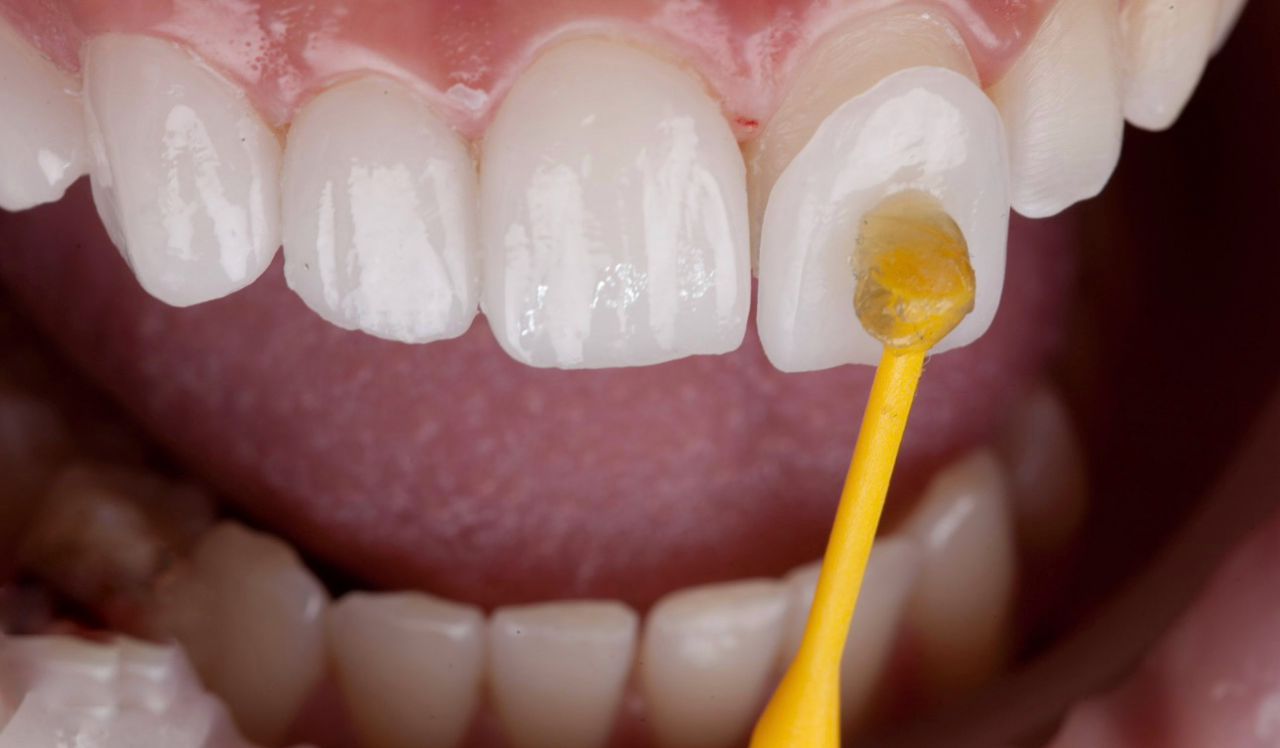
A veneer is a thin restoration bonded mainly to the front surface of a tooth. It may be used for selected chips, shape concerns, discolouration or small spacing issues when whitening, orthodontics or direct bonding alone is not the preferred solution.
Veneers are an irreversible treatment when enamel is removed. The best cosmetic plan often compares several options, including no treatment, whitening, clear aligners, composite bonding, crowns or a combination staged in the right order.
Who this may suit
- Chipped or worn front edges
- Selected discolouration that does not respond predictably to whitening
- Small gaps or tooth-shape discrepancies
- Replacing unsatisfactory existing veneers
- Patients seeking a carefully planned, natural smile change
What your dentist will assess
- Health of teeth, enamel and gums
- Bite, grinding and risk of chipping
- Tooth position and whether orthodontics is preferable
- Existing fillings, colour and amount of planned change
- Smile line, proportions and realistic expectations
What to expect
Consultation and records
Discuss what you would like to change and assess oral health, bite, photos and scans.
Preview and option comparison
Review proposed shapes and shades, material choices, limitations, fees and alternative treatments.
Preparation and temporary stage
Prepare only as required by the design, take precise records and use temporaries when appropriate.
Bonding and review
Check fit, colour and bite before bonding, then review gum comfort, cleaning and function.
Preparing and caring for your result
Before or during treatment
- Treat decay, gum inflammation or active grinding first.
- Complete whitening before final shade selection when planned.
- Consider orthodontics if moving teeth can avoid excessive preparation.
- Choose a natural shade and shape that fits surrounding teeth and face.
After-care and maintenance
- Clean normally with non-abrasive products recommended by your dentist.
- Avoid biting hard objects with veneered front teeth.
- Wear a protective splint if prescribed for grinding.
- Attend reviews to monitor margins, gums, bite and any chipping.
Veneers can chip, debond, stain at margins or require replacement over time. Teeth may also change with age. Conservative case selection and maintenance are essential.
Common questions
What is the difference between composite and porcelain veneers?
Composite is built directly on the tooth and is often easier to repair, while porcelain is made outside the mouth and can offer different strength and colour properties. Each has trade-offs.
Do veneers require shaving the teeth?
Preparation ranges from minimal to more significant depending on tooth position, material and the desired change. Claims of no preparation are not suitable for every case.
Can veneers fix crooked teeth?
They can disguise small shape or position differences, but using veneers to mask significant crowding may require excessive tooth reduction. Orthodontics may be a healthier option.
How long do veneers last?
Longevity varies with material, bonding, bite, grinding, cleaning and habits. They are not a lifetime restoration and may need repair or replacement.
Will veneers look natural?
A natural result depends on shape, surface texture, translucency, shade and harmony with neighbouring teeth. Planning and communication are more important than choosing the whitest shade.
Related services
Talk with a dentist about Dental Veneers
Visit Smile & Shine Dental Clinic at Unit 2, 840 North Lake Road, Cockburn Central WA 6164. Your dentist will assess your needs, explain suitable choices and provide an estimate before treatment wherever practical.