Crowns and Bridges in Cockburn Central
Crowns can reinforce and reshape weakened teeth, while bridges can replace selected missing teeth by using neighbouring teeth or implants for support. Careful planning balances strength, appearance, bite and cleaning.


Understanding Crowns and Bridges
A crown is a custom restoration that covers most or all of the visible part of a tooth. It may be considered when a tooth is heavily filled, cracked, root-treated, worn or needs significant shape correction.
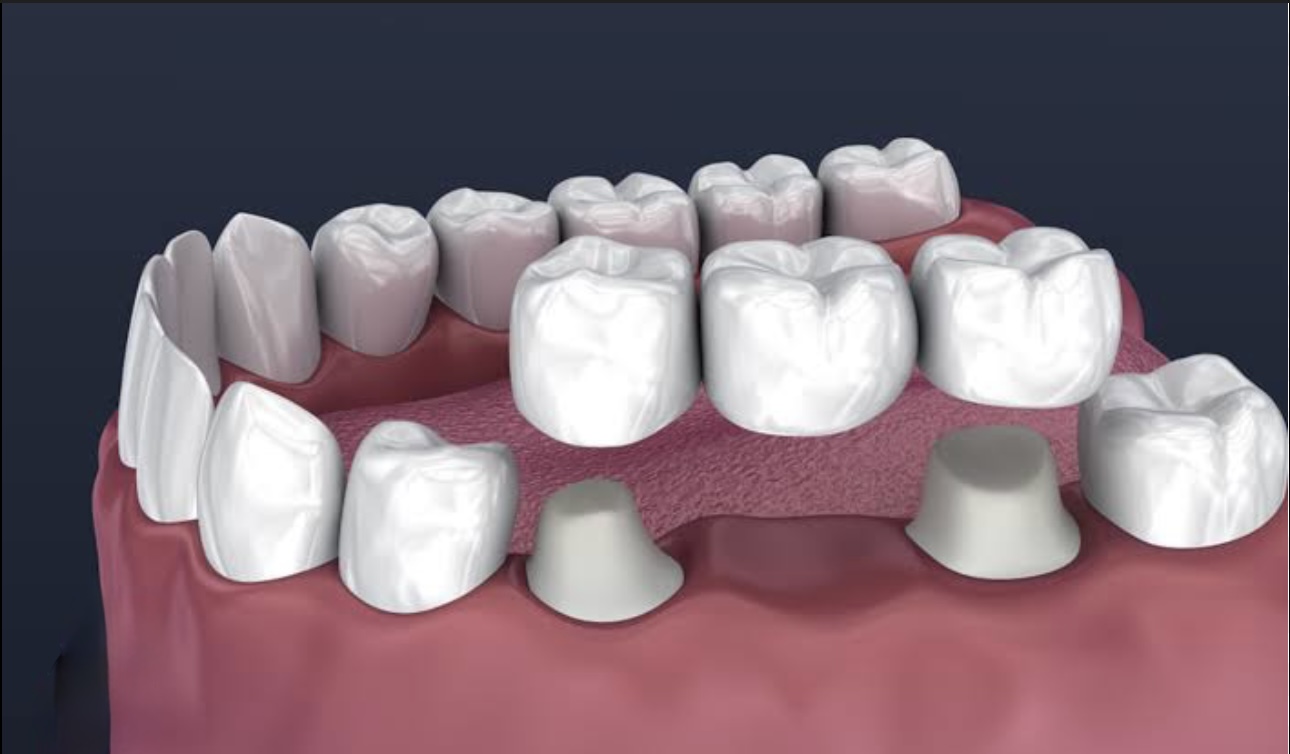
A bridge replaces one or more teeth with a connected restoration. Traditional bridges use prepared neighbouring teeth; implant-supported designs are another possibility in selected cases. The health and value of the supporting teeth strongly influence the decision.
Who this may suit
- Heavily filled or weakened teeth
- Cracked or fractured teeth that can be restored
- Root-treated teeth needing protection
- Selected missing-tooth spaces
- Improving form and function when a filling is insufficient
What your dentist will assess
- Remaining tooth structure and nerve health
- Condition of gums and supporting bone
- Bite forces, grinding and available space
- Health of possible supporting teeth or implants
- Appearance, shade and ability to clean the design
What to expect
Assessment and design
Examine the tooth or gap, review imaging and compare restoration or replacement options.
Tooth preparation and records
Shape the tooth as conservatively as the design allows and take a scan or impression.
Temporary stage
A temporary crown or bridge protects the area while the custom restoration is made.
Fit and review
Check margins, contacts, bite and appearance before cementing, then review comfort and cleaning.
Preparing and caring for your result
Before or during treatment
- Treat decay, infection or active gum disease first.
- Discuss alternatives such as onlays, implants or removable options.
- Choose shade and shape with realistic expectations.
- Plan for a temporary restoration and possible laboratory time.
After-care and maintenance
- Avoid very sticky or hard foods on a temporary restoration.
- Clean around crowns carefully and use bridge-threading aids where recommended.
- Report a loose restoration, persistent sensitivity or a bite that feels high.
- Use a night guard if prescribed for grinding or clenching.
Crowns and bridges can be durable, but their lifespan depends on tooth health, fit, bite, cleaning and habits. The supporting tooth can still develop decay or gum problems.
Common questions
How is a crown different from a veneer?
A crown covers more of the tooth and is often used when strength is a major concern. A veneer covers mainly the front surface and is usually a cosmetic option for more intact teeth.
Does preparing a tooth for a crown hurt?
Local anaesthetic is used when needed. Some teeth feel temporarily sensitive afterwards, and a temporary crown protects the prepared tooth.
Is a bridge better than an implant?
Neither is automatically better. A bridge may be suitable in some situations, while an implant avoids preparing neighbouring teeth. Bone, gum health, supporting teeth, timing and preferences all matter.
How do I clean under a bridge?
Use floss threaders, super floss, interdental brushes or another method recommended for the design. Cleaning under the replacement tooth protects the gum and supports.
What if my crown comes off?
Keep the crown, avoid chewing on the tooth and contact the clinic. Do not use household glue. The tooth should be assessed before the crown is re-cemented or replaced.
Related services
Talk with a dentist about Crowns and Bridges
Visit Smile & Shine Dental Clinic at Unit 2, 840 North Lake Road, Cockburn Central WA 6164. Your dentist will assess your needs, explain suitable choices and provide an estimate before treatment wherever practical.