Restorative Dentistry in Cockburn Central
Restorative dentistry repairs teeth affected by decay, fracture or wear so you can chew comfortably and protect remaining tooth structure. Treatment is planned around the tooth, bite and long-term maintainability.


Understanding Restorative Dentistry
A restoration may be as small as a tooth-coloured filling or may involve a larger onlay, crown or replacement option. The recommended approach depends on how much healthy tooth remains, where the tooth sits, chewing forces, appearance and the condition of the nerve and gums.
Repairing damage is only part of the plan. Your dentist will also look for underlying causes such as decay risk, grinding, acid erosion, a heavy bite or difficulty cleaning so future problems can be reduced.
Who this may suit
- Tooth decay or a failing filling
- Chipped, cracked or broken teeth
- Worn teeth or changes in bite height
- Sensitivity caused by lost tooth structure
- Replacing a missing restoration or rebuilding function
What your dentist will assess
- Extent and location of damage
- Nerve health and signs of cracks or infection
- Amount of sound tooth available for bonding
- Bite forces, grinding and tooth position
- Gum condition, cleaning access and appearance
What to expect
Examination and diagnosis
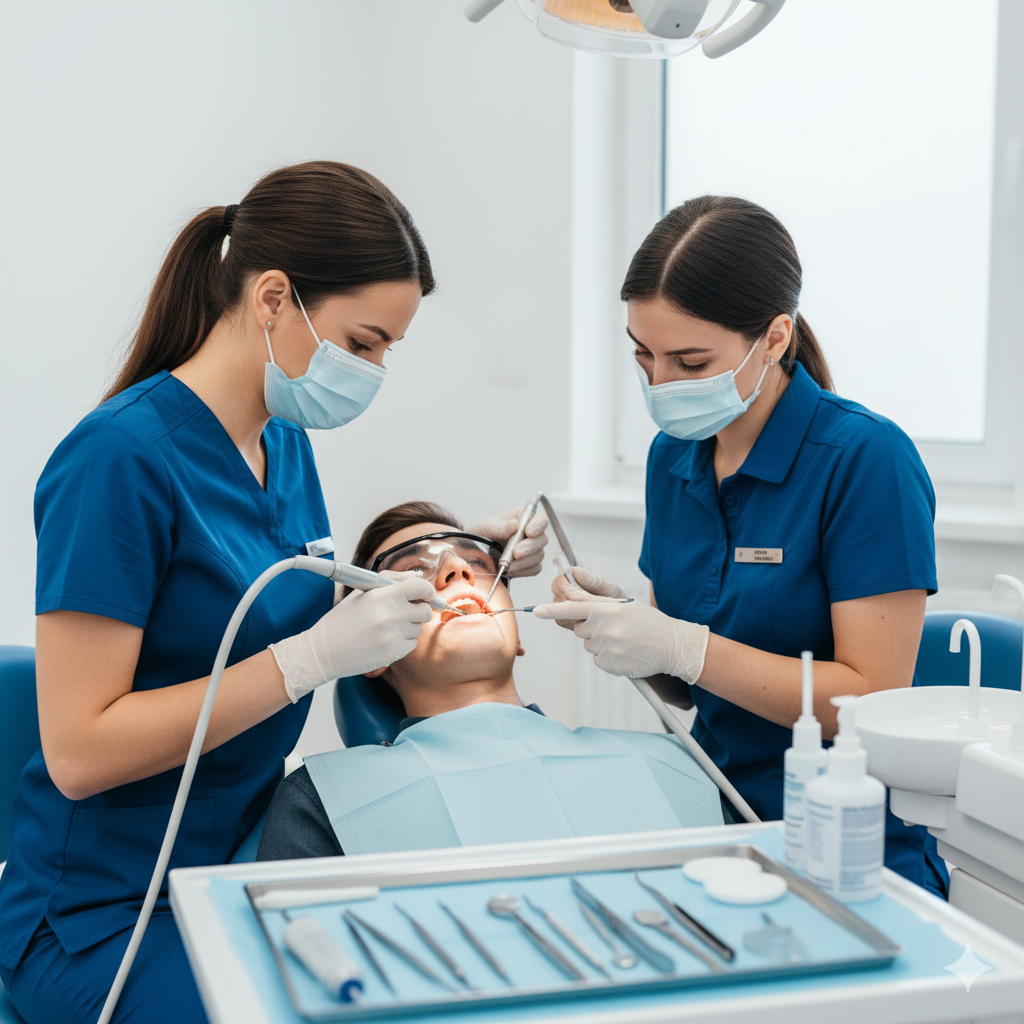
The dentist checks symptoms, the tooth and bite, with X-rays or tests used when needed.
Discuss restoration choices
Compare conservative and more protective options, materials, longevity factors, fees and alternatives.
Restore the tooth
Remove diseased or unsupported material, protect the tooth and shape the restoration for fit and function.
Review and prevention
Check comfort and bite, then plan cleaning, diet, fluoride or a protective splint where appropriate.
Preparing and caring for your result
Before or during treatment
- Complete urgent infection or gum care before definitive restoration.
- Discuss clenching, grinding, sports or habits that affect durability.
- Understand that very weakened teeth may need staged treatment.
- Consider appearance together with strength and cleanability.
After-care and maintenance
- Avoid chewing until numbness has fully worn off.
- Expect brief temperature sensitivity after some procedures, but report worsening symptoms.
- Maintain careful cleaning around the restoration and gumline.
- Attend review if the bite feels high or the tooth remains painful.
No restoration lasts forever. Longevity depends on the size and material, remaining tooth, bite, oral hygiene and habits. Regular reviews help identify wear or leakage early.
Common questions
What is the difference between a filling and a crown?
A filling replaces a localised area of lost tooth. A crown covers more of a weakened tooth to provide protection. The amount and location of damage guide the recommendation.
Can a cracked tooth be repaired?
Many cracked teeth can be stabilised, but the outlook depends on the depth and direction of the crack and whether the nerve or root is involved. Early assessment is important.
Will treatment hurt?
Local anaesthetic is commonly used when needed. The team will check comfort during care and explain what you may feel afterwards.
Why does my new filling feel sensitive?
Short-term sensitivity can occur as the tooth settles. Contact the clinic if pain is strong, worsening, triggered by biting or does not improve.
Can worn teeth be rebuilt?
Often they can, but the cause and bite must be assessed. Planning may involve several teeth, protective appliances and a staged approach.
Related services
Talk with a dentist about Restorative Dentistry
Visit Smile & Shine Dental Clinic at Unit 2, 840 North Lake Road, Cockburn Central WA 6164. Your dentist will assess your needs, explain suitable choices and provide an estimate before treatment wherever practical.