Root Canal Treatment in Cockburn Central
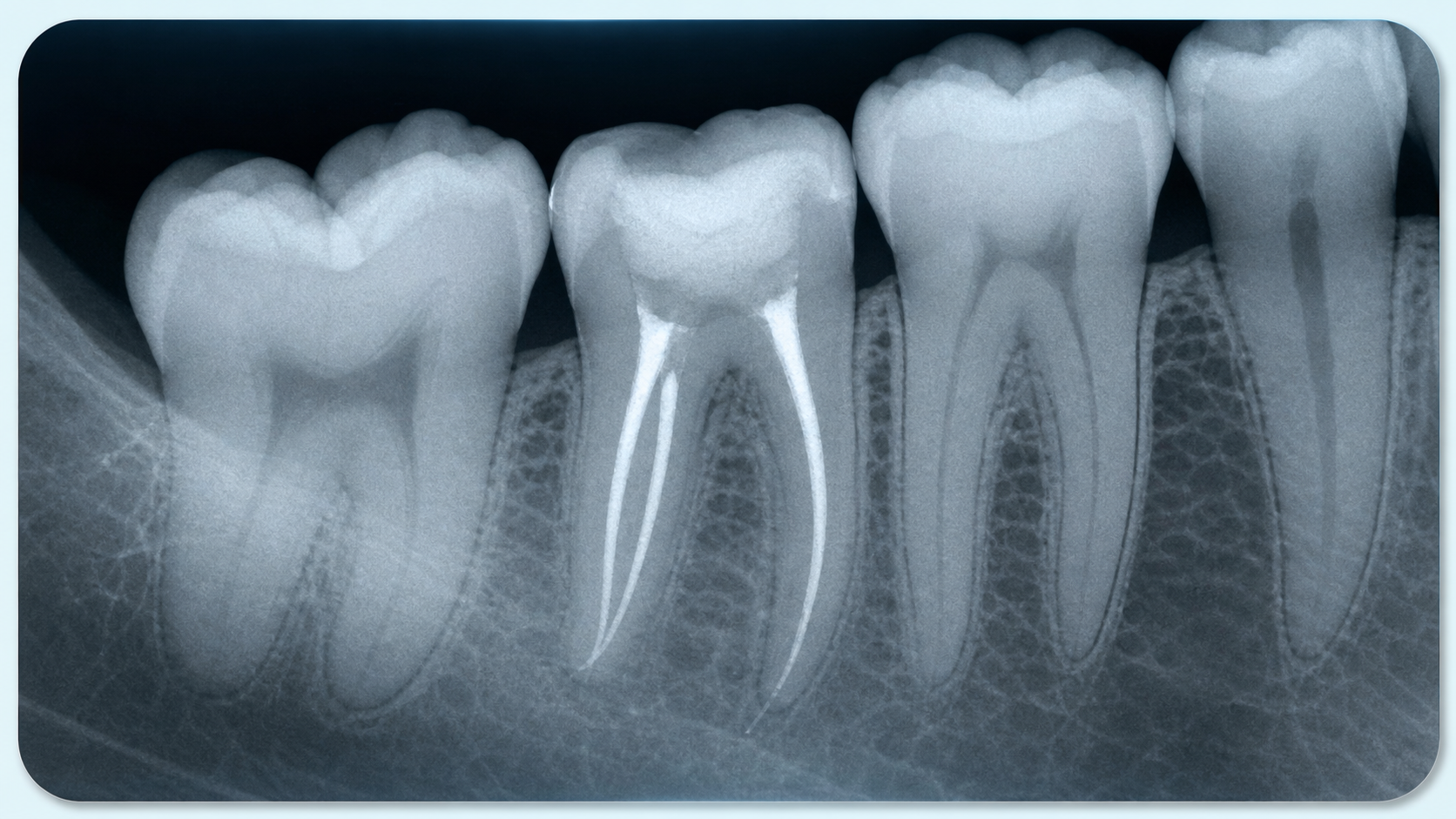
Root canal treatment removes inflamed or infected tissue from inside a tooth, cleans and seals the root canal system, and may allow the natural tooth to be retained.

Understanding Root Canal Treatment
Inside each tooth is a pulp containing nerves and blood vessels. Deep decay, cracks, trauma or a leaking restoration can inflame or infect this tissue. Symptoms may include lingering temperature pain, pain when biting, swelling or a darkened tooth, although some infected teeth have few symptoms.
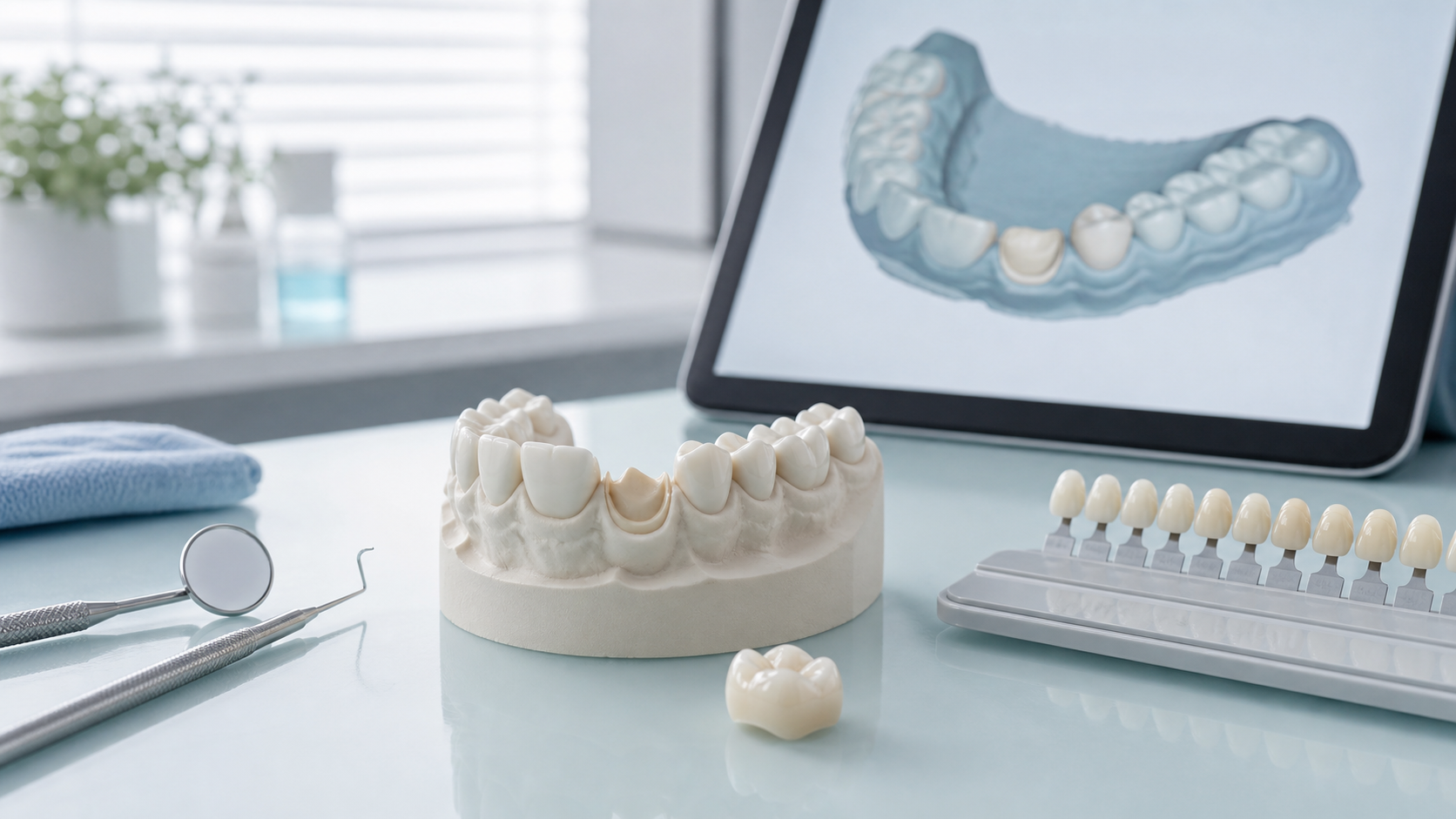
Root canal treatment focuses on the inside of the tooth. The remaining tooth structure still needs a durable seal and may need a crown or other protective restoration, especially for back teeth or teeth with large existing fillings.
Who this may suit
- Persistent or spontaneous toothache
- Lingering sensitivity to hot or cold
- Pain when biting or chewing
- A dental abscess or swelling linked to a tooth
- A damaged or discoloured tooth with pulp involvement
What your dentist will assess
- Symptoms, history and previous dental work
- Response to temperature, tapping and bite tests
- X-rays of the roots and surrounding bone
- Cracks, decay and how much tooth remains
- Whether the tooth can be predictably restored after treatment
What to expect
Diagnosis and anaesthesia
Confirm the source of symptoms and numb the area for comfort.
Access and cleaning
Create a controlled opening, remove diseased tissue and clean the canal spaces.
Disinfection and sealing
Medication or more than one visit may be needed before canals are filled and sealed.
Final restoration
Restore the access and protect the tooth with the most appropriate filling, onlay or crown.
Preparing and caring for your result
Before or during treatment
- Discuss the tooth’s restorability and alternative options.
- Allow for more than one appointment in some cases.
- Tell the dentist about medicines, allergies and swelling.
- Plan the final restoration rather than leaving a temporary filling too long.
After-care and maintenance
- Tenderness to biting can occur for a short period; follow after-care instructions.
- Avoid heavy chewing on the tooth until it is definitively restored.
- Contact the clinic for increasing swelling, severe pain or a lost temporary filling.
- Continue normal brushing and long-term preventive reviews.
Root canal treatment is intended to save the tooth, but no treatment can guarantee that every tooth will heal. Complex anatomy, cracks, reinfection or delayed restoration can affect the outcome.
Common questions
Is root canal treatment painful?
Modern local anaesthetic is used to keep the procedure comfortable. The inflamed tooth may be tender before and after care, but symptoms usually improve as the cause is treated.
How many visits will I need?
Some teeth can be treated in one visit, while others need staged cleaning, medication or additional review. Tooth type, infection and complexity affect timing.
Why might I need a crown afterwards?
A root-treated tooth may have lost substantial structure from decay, cracks or previous fillings. A crown or onlay can help protect it from fracture when indicated.
What are the alternatives?
If the tooth cannot or should not be retained, removal and replacement options may be discussed. The dentist will compare likely benefits, limitations and costs.
Can a root-treated tooth become infected again?
Yes, although many remain functional for years. New decay, cracks, leakage or untreated anatomy can cause reinfection. Review and retreatment options depend on the case.
Related services
Talk with a dentist about Root Canal Treatment
Visit Smile & Shine Dental Clinic at Unit 2, 840 North Lake Road, Cockburn Central WA 6164. Your dentist will assess your needs, explain suitable choices and provide an estimate before treatment wherever practical.